
Unveiling the Splendor of Tipeshwar Wild Life Sanctuary
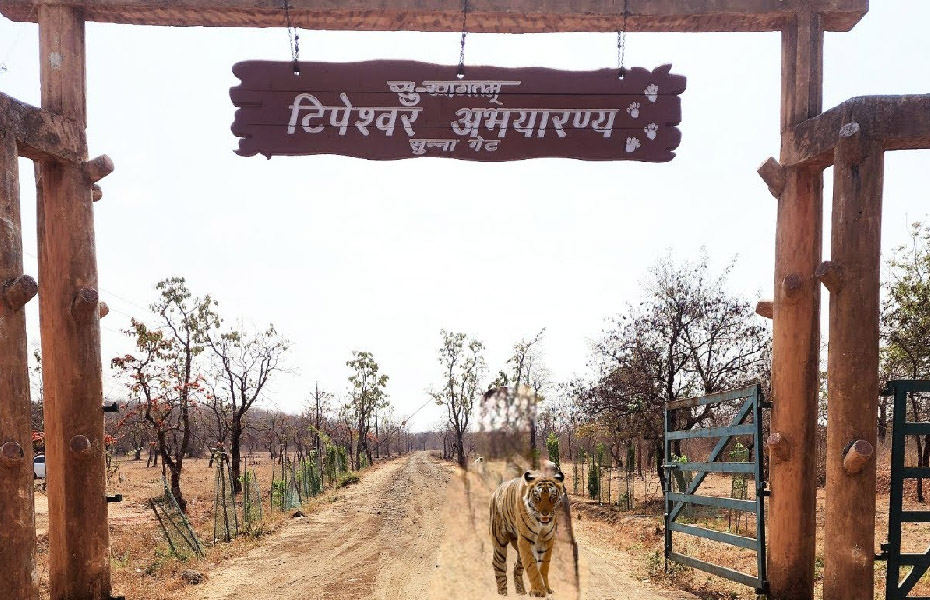
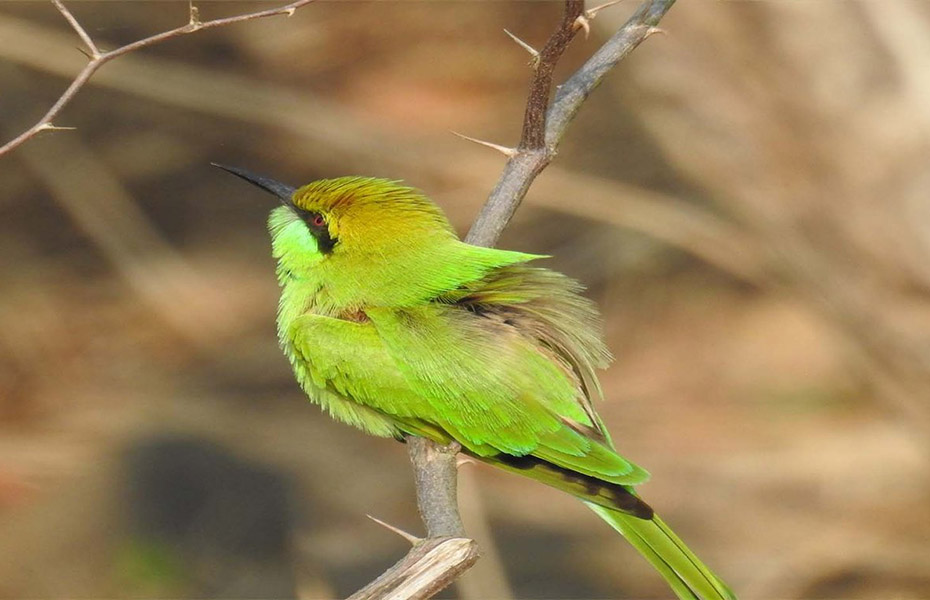
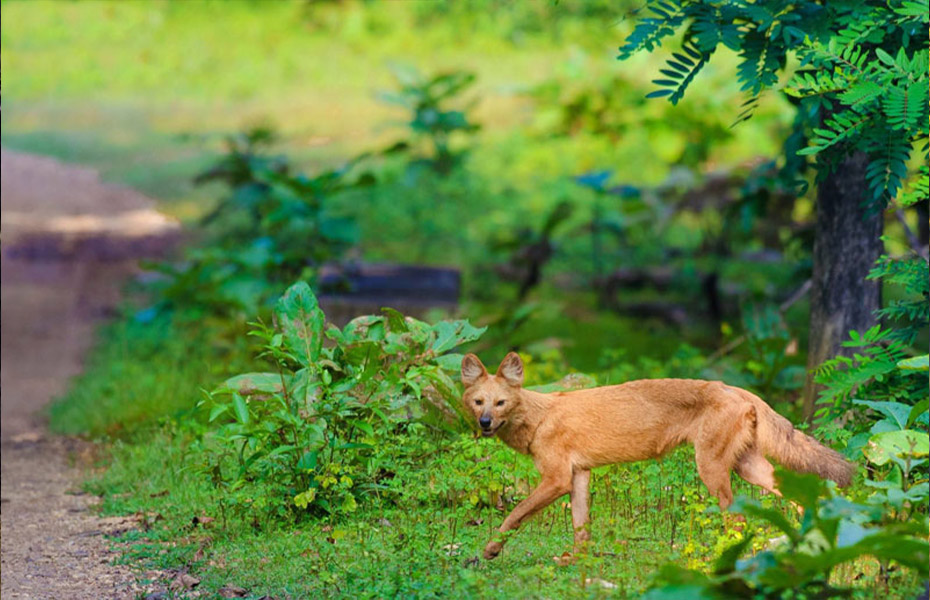
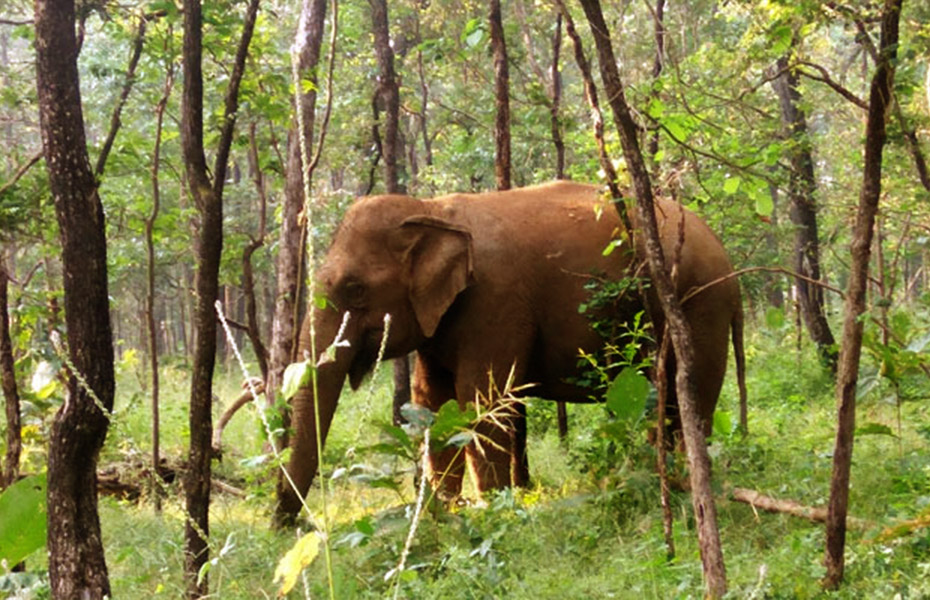
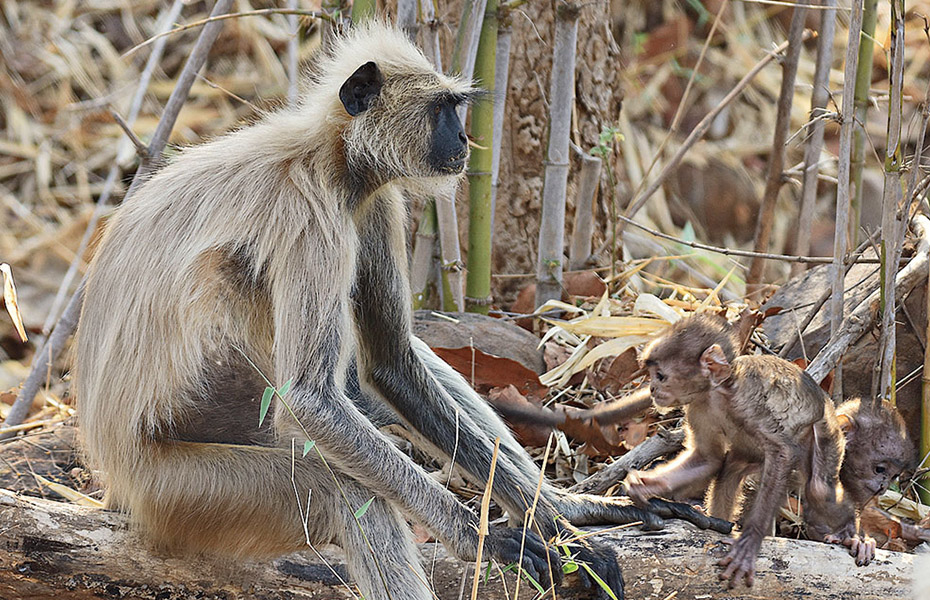
The diverse wildlife at Tipeshwar Wildlife Sanctuary serves as the primary attraction for countless nature enthusiasts. Catch a glimpse of the characteristic Bengal Tigers in their natural habitat or appreciate the effortless flight of birds migrating from across the globe. With over 180 different species of birds and the shadowy presence of leopards, hyenas, jackals -Tipeshwar indeed offers an engaging experience to the wildlife enthusiasts.
A Three-Day Journey: Day-by-Day Itinerary to Tipeshwar Wildlife Sanctuary
To make the most out of your visit to this nature’s paradise, a three-day journey is recommended. Embark on fascinating jungle safaris, enlightening nature walks, and other adventure activities. Be it the exhilarating sunrise view from the observatory or the peaceful boat ride amidst the tranquil setting, every day at Tipeshwar Wildlife Sanctuary has a unique thrill to offer.
The Endless Beauties of Tipeshwar: Concluding Remarks and Essential Travel Tips
Explore and take back home memories of the enchanting journey through the Tipeshwar Wildlife Sanctuary. As you exit the gates, you’ll carry little pieces of the sanctuary – from the breathtaking views of the verdant landscape to the thrilling encounters with wildlife. Essential travel tips for a hassle-free journey? Always respect the local culture, keep a safe distance from the wild animals, do not litter, and most importantly, cherish every moment of the surreal experience that the Tipeshwar Wildlife Sanctuary has to offer.
Key Highlights:
Tigers: Tipeshwar is known for its increasing population of tigers, and it’s becoming a popular spot for tiger sightings. The sanctuary is often referred to as the “Mini Pench” because of its similarity to the famous Pench Tiger Reserve.
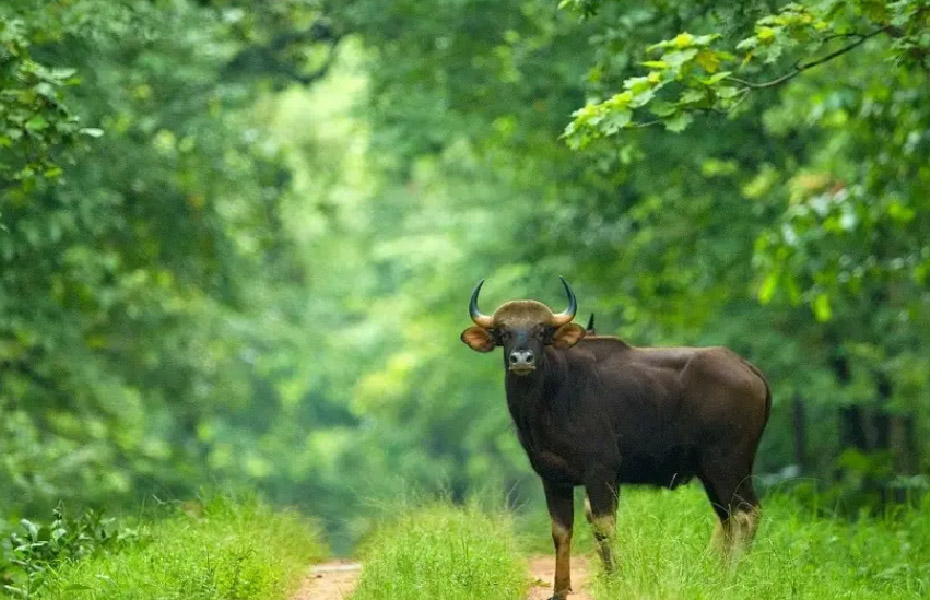
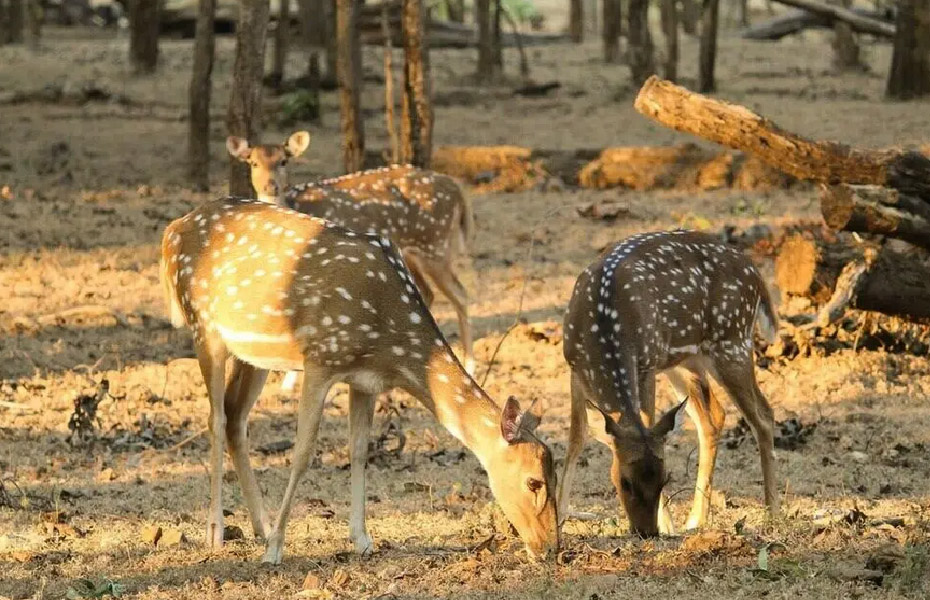
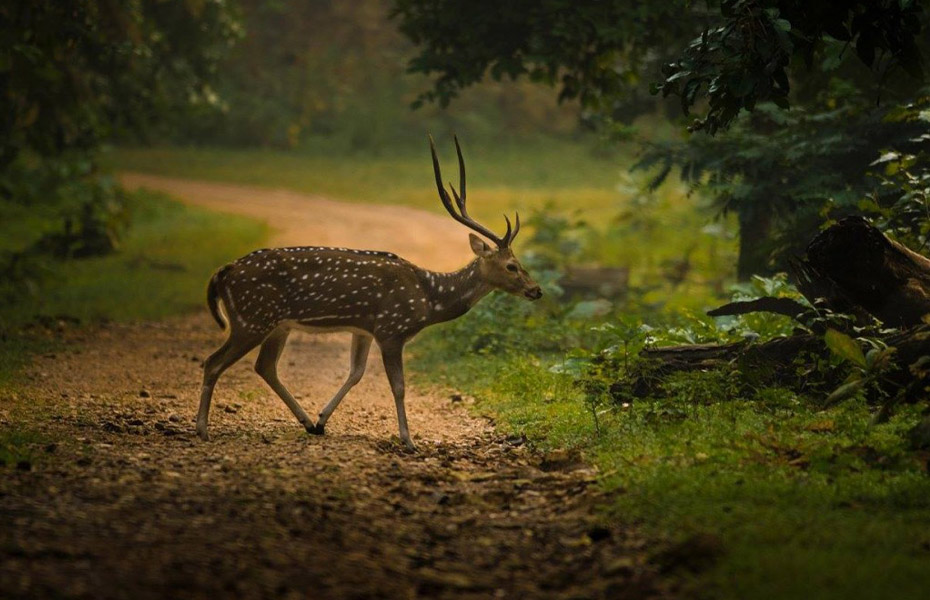
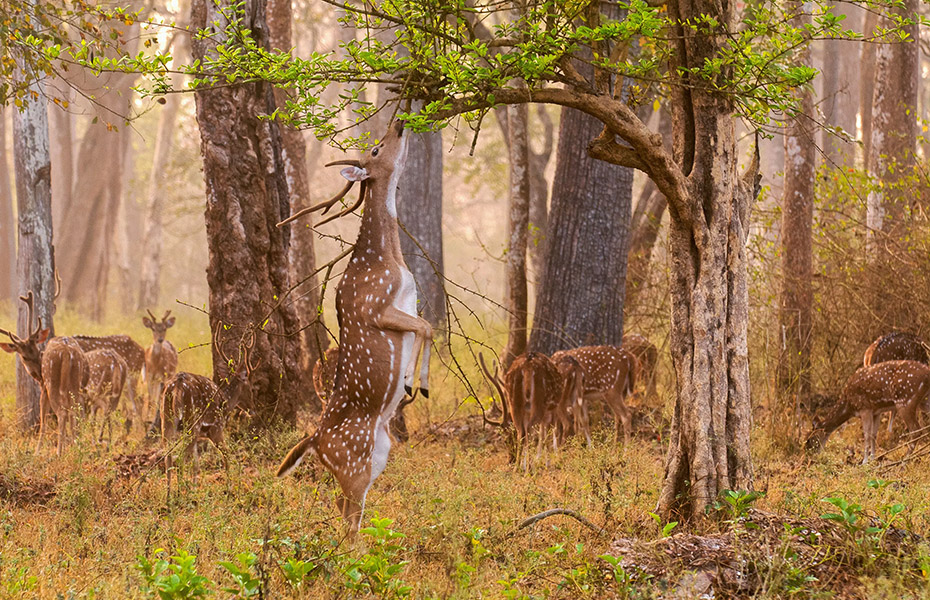
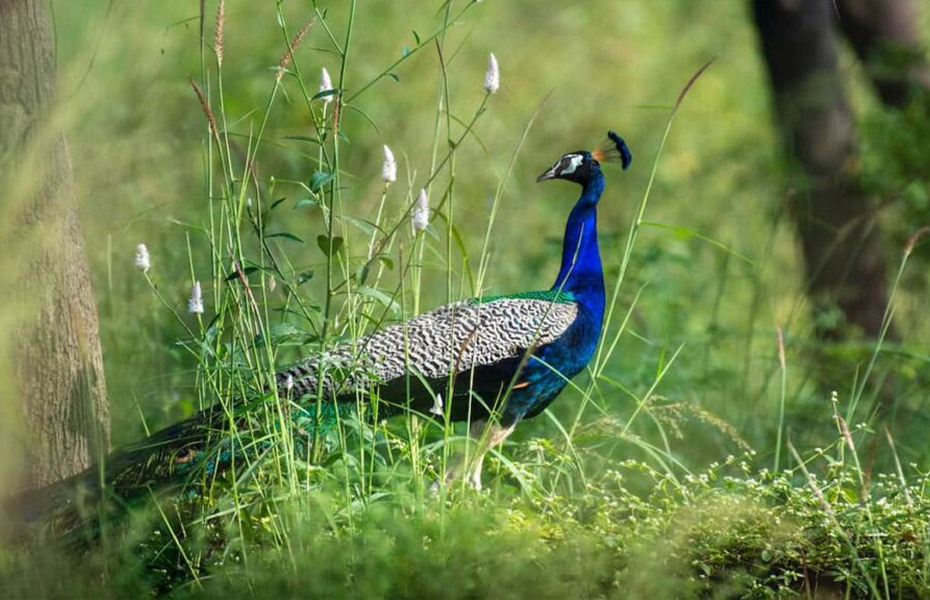
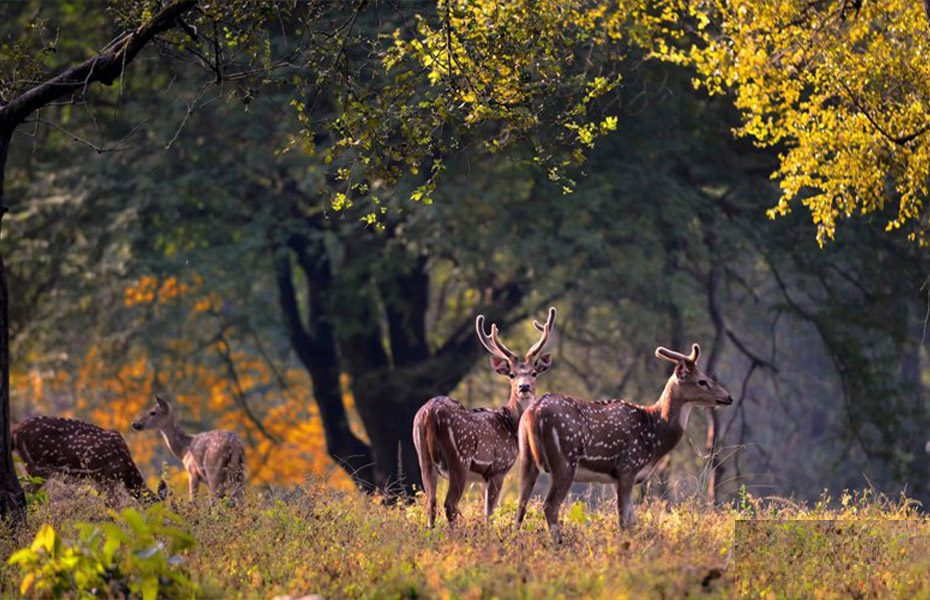
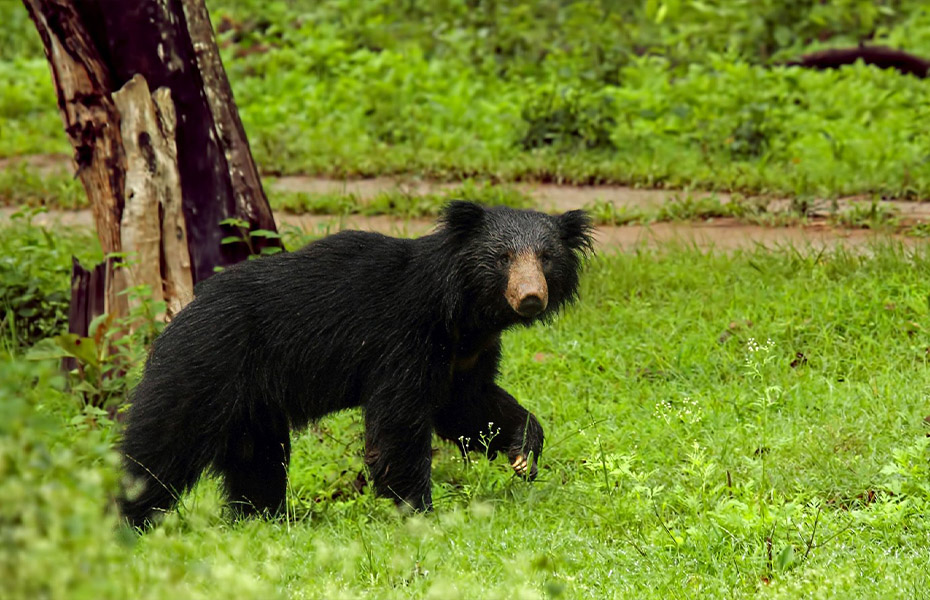
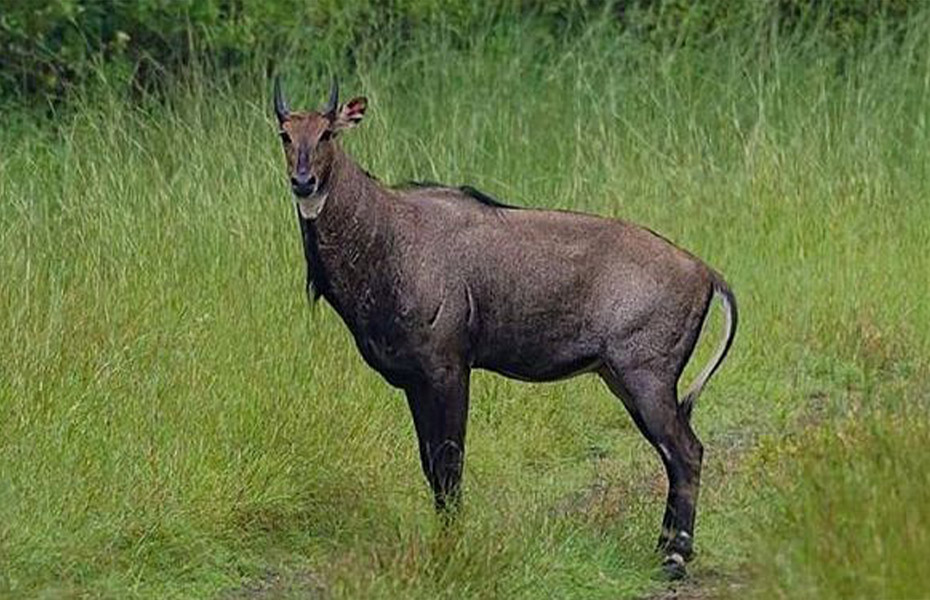
Wildlife: Besides tigers, the sanctuary is home to other wildlife species like leopards, sloth bears, wild boars, hyenas, sambar deer, chital, and various bird species.
Flora: The sanctuary has a mix of southern tropical dry deciduous forests, including teak, bamboo, and various other species of trees, which provide ample cover for wildlife.
Eco-tourism: Safari tours and eco-tourism activities are being promoted, allowing visitors to explore the sanctuary’s beauty and wildlife responsibly.